

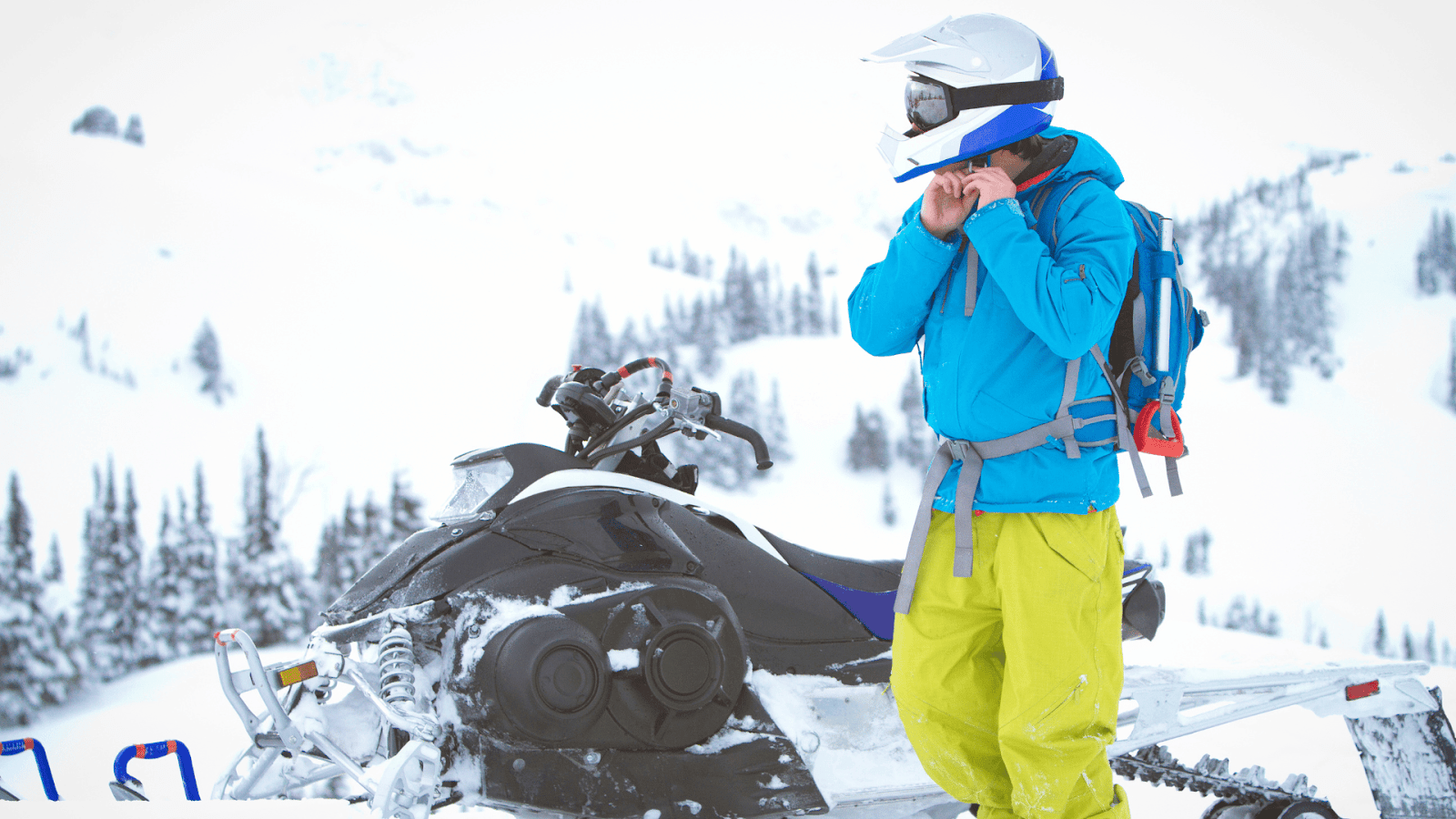
Choosing the right snowmobile helmet is crucial for ensuring your safety and comfort while enjoying the trails. However, with so many options available, it’s easy to make mistakes that can lead to discomfort, reduced protection, or unnecessary expenses. To help you make an informed decision, here are five common mistakes to avoid when buying a snowmobile helmet and tips to ensure you find the perfect fit.
1. Ignoring the Importance of Fit and Comfort
One of the biggest mistakes riders make is purchasing a helmet that doesn’t fit properly. A helmet that’s too tight can cause headaches and discomfort, while one that’s too loose won’t provide adequate protection in an accident.
To avoid this mistake:
- Measure your head circumference and compare it with the manufacturer’s sizing chart.
- Try on helmets in person whenever possible to ensure a snug but comfortable fit.
- Look for adjustable features, like removable padding, to fine-tune the fit.
Remember, the best snowmobile helmet is one that feels secure without causing pressure points. Take the time to test your helmet for at least 10-15 minutes to ensure long-term comfort during rides.
2. Overlooking Safety Certifications
Not all helmets are created equal, and safety standards vary widely. Some riders make the mistake of prioritizing price or style over certified protection. Helmets without proper safety certifications may not offer adequate impact resistance, putting you at greater risk during an accident.
To ensure maximum safety, look for helmets with certifications such as:
- DOT (Department of Transportation)
- ECE (Economic Commission for Europe)
- Snell Memorial Foundation standards
These certifications indicate that the helmet has undergone rigorous testing to meet safety requirements. Avoid helmets that lack clear safety labels or those from unknown brands with no verifiable certifications.
3. Choosing the Wrong Type of Helmet for Your Needs
Another common mistake is selecting a helmet that doesn’t suit your riding style or environment. Snowmobile helmets come in various types, including full-face, modular, and open-face designs. Choosing the wrong type can lead to discomfort or reduced functionality.
Here’s a quick breakdown of helmet types:
- Full-Face Helmets: Offer maximum protection by covering the entire head, including the chin and jaw. Ideal for cold weather and high-speed rides.
- Modular Helmets: Provide versatility with a flip-up chin bar, allowing you to switch between full-face and open-face styles. Great for riders who value convenience.
- Open-Face Helmets: Provide less coverage, leaving the face exposed. Better suited for warmer weather but not ideal for extreme cold or high speeds.
Consider factors like temperature, terrain, and your personal preferences before making a decision. For most riders, a full-face design is the best snowmobile helmet choice due to its superior protection and warmth in harsh conditions.
4. Neglecting Ventilation and Anti-Fog Features
Riding in cold weather often leads to issues with fogged visors and poor airflow inside the helmet. Many riders overlook the importance of ventilation and anti-fog features when purchasing a helmet, only to find themselves struggling with reduced visibility and discomfort.
To avoid this:
- Look for helmets with built-in vents that promote airflow, preventing overheating and condensation.
- Choose a helmet with an anti-fog visor or consider purchasing a separate anti-fog shield or insert.
- Check for breath deflectors or masks designed to direct warm breath away from the visor.
These features ensure a clear field of vision and keep you comfortable during long rides, regardless of the weather.
5. Focusing Solely on Price
While budget is an important consideration, prioritizing price over quality can lead to poor results. Many riders fall into the trap of buying the cheapest helmet available, only to discover it lacks durability, comfort, or essential safety features. Conversely, some overpay for helmets with features they don’t need or won’t use.
To strike the right balance:
- Set a budget based on your needs and preferences.
- Research reputable brands and read reviews from other riders.
- Look for helmets that offer a good mix of safety, comfort, and durability within your price range.
Investing in a high-quality helmet is a decision that pays off in the long run, providing better protection and lasting longer than a cheaper alternative.
Successfully Finding the Right Helmet
Avoiding these five common mistakes can save you time, money, and frustration when buying a snowmobile helmet. Focus on finding a helmet that fits well, meets safety certifications, suits your riding style, and includes essential features like ventilation and anti-fog technology. While it’s tempting to cut corners on price, remember that your helmet is one of the most important pieces of safety gear you’ll own.
By taking the time to choose wisely, you’ll enjoy greater comfort, better protection, and more enjoyable snowmobiling experiences. Whether you’re a seasoned rider or just starting out, investing in the best snowmobile helmet ensures you’re prepared for whatever the trail throws your way. Happy riding!
