

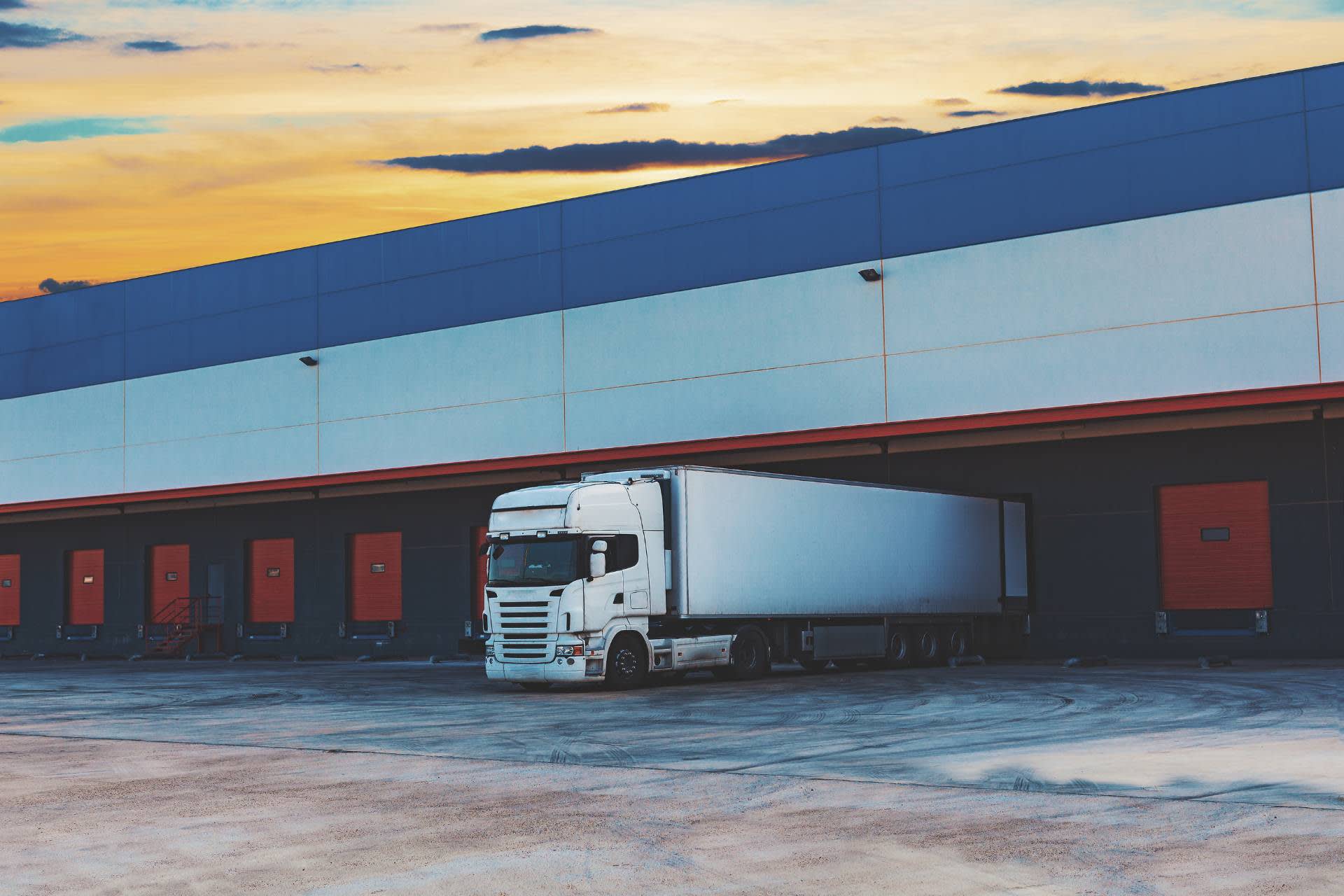
The modern HGV vehicle represents not just a means of transportation, but a symbol of our globalised economy’s relentless appetite for consumption and movement. In this age of instant gratification and next-day delivery, these mechanical behemoths traverse our roads day and night, their diesel engines humming a constant reminder of our dependency on fossil fuels.
The Corporate Giants Behind the Wheel
In Singapore alone, the Land Transport Authority reports over 160,000 registered commercial vehicles, with heavy goods vehicles making up a significant portion. These numbers tell only part of the story. Behind each vehicle lies a complex web of corporate interests, worker rights, and environmental implications.
Key statistics reveal:
- 75% of Singapore’s domestic freight is moved by HGVs
- The average HGV contributes 938g of CO2 per kilometre
- Local transport companies employ over 90,000 drivers
- Major logistics firms control 65% of the market share
The Human Cost of Heavy Transport
The drivers who operate these machines often face gruelling conditions that reflect the broader issues of worker exploitation in our global supply chains:
- 12-hour shifts are common, despite regulations
- Physical health issues affect 68% of long-term drivers
- Mental health concerns are reported by 45% of operators
- The average driver earns just $2,800 monthly in Singapore
Environmental Impact: The Inconvenient Truth
Let’s be clear about what’s at stake. According to Singapore’s National Environment Agency:
- HGVs account for 23% of road transport emissions
- Each vehicle averages 50,000 km annually
- Particulate matter from diesel engines affects urban air quality
- The sector’s carbon footprint grows by 3% yearly
The Technology Smokescreen
While corporations tout technological solutions like electric HGVs and autonomous vehicles, we must question whether these represent genuine progress or merely greenwashing:
- Current electric HGV range limitations
- Infrastructure challenges for charging networks
- Cost barriers for smaller operators
- Data privacy concerns with connected vehicles
Regulatory Capture and Policy Failures
The regulatory framework governing HGVs often favours large corporations while placing burdens on smaller operators:
- Complex licensing requirements
- Expensive compliance costs
- Limited enforcement of violations
- Inadequate environmental standards
The Alternative Vision
We need to reimagine freight transport in ways that prioritise:
- Worker wellbeing and fair compensation
- Environmental sustainability
- Community impact consideration
- Democratic control of transport infrastructure
Singapore’s Unique Position
As a global logistics hub, Singapore faces particular challenges:
- Limited land for vehicle parking
- Urban congestion impacts
- Cross-border complications
- Environmental vulnerability
The Real Economics
The numbers reveal a system designed to maximise corporate profit while externalising costs:
- Maintenance expenses average $15,000 annually
- Insurance costs rise by 10% yearly
- Fuel represents 35% of operating costs
- Small operators face 30% higher per-unit costs
The Path Forward
Real solutions require fundamental changes:
- Worker-owned cooperatives
- Stricter emissions standards
- Investment in rail alternatives
- Community input in transport planning
The Role of Technology
While technology alone won’t solve these issues, certain innovations show promise:
- Route optimisation reducing emissions
- Alternative fuel development
- Better driver monitoring systems
- Improved safety features
The Movement for Change
Grassroots organisations and progressive unions are fighting for:
- Better working conditions
- Environmental justice
- Community protection
- Democratic control
The future of freight transport doesn’t have to mirror its exploitative past. As communities worldwide grapple with climate change, worker rights, and corporate power, the transformation of how we move goods becomes increasingly urgent. The solution isn’t merely technological—it’s political and social. We must demand systems that serve people and planet over profit, starting with how we regulate and operate every HGV vehicle.
