

Introduction
A diesel fuel injection system is one of the most important parts of a diesel engine. Since diesel engines depend on accurate fuel delivery for combustion, the injection system has a direct effect on engine power, fuel efficiency, and overall performance. Knowing how the system works can make it easier to spot common problems and keep the engine properly maintained.
Understanding how modern diesel fuel injection operates highlights the importance of precise pressure and timing, as even slight variations can influence how smoothly the engine runs under load.
What Is a Diesel Fuel Injection System?
The fuel injection system moves diesel fuel from the fuel tank to the engine. It controls the fuel pressure, quantity, and timing needed for proper combustion. Unlike older systems that relied mainly on mechanical parts, many modern diesel engines use electronic controls to manage fuel injection more accurately.
Main Parts of the System
A diesel fuel injection system contains several important components. The fuel tank stores the diesel, while the fuel filter removes dirt and other particles that could damage sensitive components. The fuel pump moves fuel through the system and provides the required pressure.
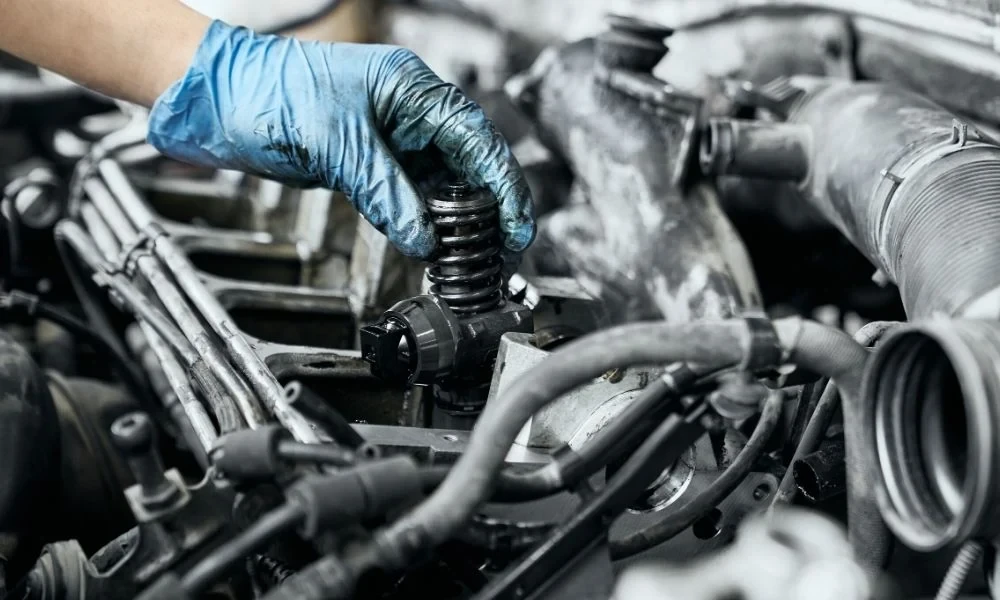
The injectors are another key part. They spray fuel into the combustion chamber in a fine mist, helping it mix properly with the compressed air. Depending on the engine design, the system may also include high-pressure pumps, fuel rails, sensors, and electronic control units.
How Fuel Injection Works
The process begins when the fuel pump draws fuel from the tank, and it passes through the fuel filter. The pump then sends the fuel toward the injection system. In high-pressure systems, fuel is compressed to a much higher pressure before reaching the injectors.
The injectors release a carefully measured amount of fuel into the combustion chamber.
Why Fuel Injection Is Important
A properly working injection system helps the engine produce steady power while using fuel efficiently. Accurate fuel delivery can also support smoother operation and reduce unnecessary exhaust emissions. If the system develops a problem, the engine may experience hard starting, rough idling, reduced power, increased fuel consumption, or excessive smoke.
Common Maintenance Practices
Keeping the fuel system clean is important for reliable engine operation. Regularly replacing the fuel filter can help prevent dirt and contaminants from reaching the pump and injectors. Using clean fuel and following the recommended maintenance schedule can also reduce the risk of fuel system problems.
If the engine shows unusual symptoms, checking the fuel system early can help identify the cause before the problem becomes more serious. Faulty injectors, clogged filters, fuel leaks, or pump problems may produce similar symptoms, so proper inspection is important.
Conclusion
The diesel fuel injection system plays a central role in engine operation by controlling fuel pressure, quantity, and timing. Each component works together to support proper combustion and reliable performance. Understanding the basics of the system and following regular maintenance can help keep a diesel engine running smoothly, efficiently, and reliably for a longer period.
