

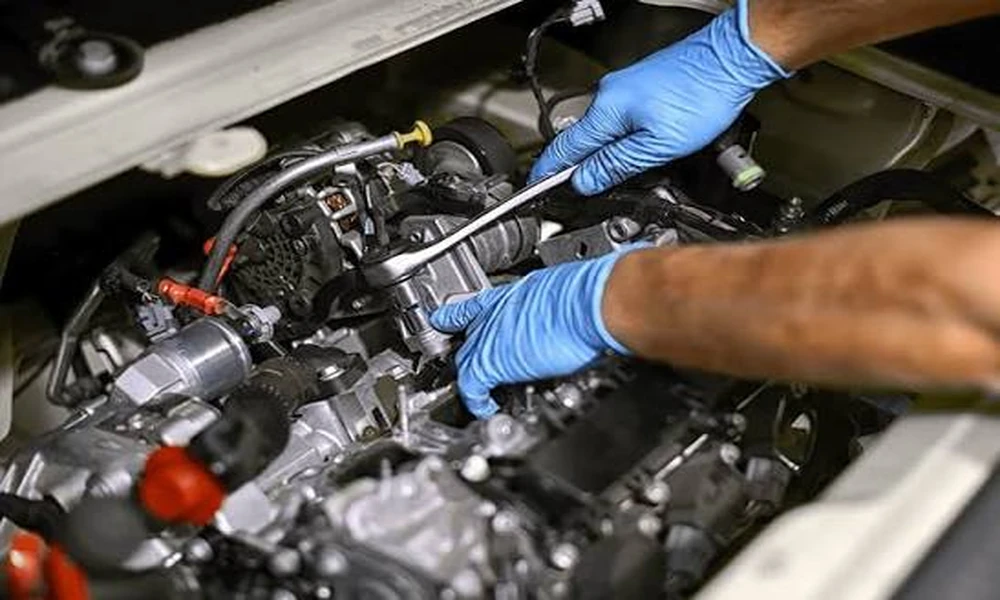
Stop-and-go traffic creates demanding conditions for a vehicle transmission and clutch system. Frequent acceleration and braking keep transmission components working continuously. The repeated movement can generate additional heat inside important mechanical parts. So, transmission fluid may experience greater thermal stress during congested journeys. Clutch components can also experience increased friction during repeated engagement. Now understanding these effects can help drivers recognize developing transmission problems earlier.
How Traffic Increases Transmission Heat
Heavy traffic requires constant changes between acceleration and braking during ordinary journeys. The transmission repeatedly manages changing loads while the vehicle moves slowly. This repeated activity generates heat within internal transmission components during operation. Excessive heat can gradually affect transmission fluid performance and protective properties.
Transmission fluid helps lubricate moving parts and control operating temperatures. However continuous heat exposure can gradually reduce fluid effectiveness. Contaminated or degraded fluid may provide less protection for internal components. Sometimes shifting becomes less smooth when fluid condition deteriorates significantly. Professional transmission inspection can identify fluid related concerns before serious damage develops.
Clutch Wear During Frequent Vehicle Movement
Manual transmissions can experience considerable clutch activity during congested driving conditions. Frequent clutch engagement creates friction between important clutch surfaces. Holding the clutch partially engaged can create additional heat and unnecessary wear. Repeated starts can therefore shorten clutch component service life over time.
Automatic transmissions can also experience increased clutch activity during slow traffic. Internal clutch packs engage and release while the transmission manages changing driving conditions. Continuous engagement produces heat within the transmission assembly. So fluid condition becomes especially important when vehicles regularly face severe congestion.
Warning Signs Should Receive Early Attention
Drivers may notice several changes when transmission or clutch wear begins developing. Delayed engagement can indicate problems within the transmission system. Unusual shifting behavior may also appear during repeated low-speed driving. Manual vehicles may develop clutch slipping or difficulty during gear changes. Auto Service Experts OH can provide suitable diagnostic attention when transmission behavior becomes unusual. Strange noises can also suggest internal mechanical problems requiring professional evaluation.
Professional Maintenance Can Reduce Long-Term Wear
Regular maintenance can help protect transmission components from unnecessary stress. Proper fluid inspection allows technicians to identify contamination or deterioration. Clutch inspection can reveal excessive wear before complete failure occurs. This approach can help maintain reliable vehicle performance during difficult traffic conditions. Auto Service Experts OH can inspect transmission systems and identify potential causes of shifting concerns. Professional servicing can also determine whether fluid replacement remains appropriate.
Conclusion
Vehicles regularly driven through congested areas deserve careful transmission maintenance. Early inspection can identify developing problems before expensive mechanical failures occur. Auto Repair in Grove City, OH service can provide professional assistance when transmission concerns become noticeable. Auto Service Experts OH can also evaluate unusual shifting or clutch behavior through suitable inspection.
